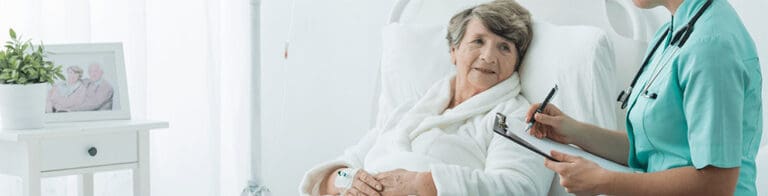
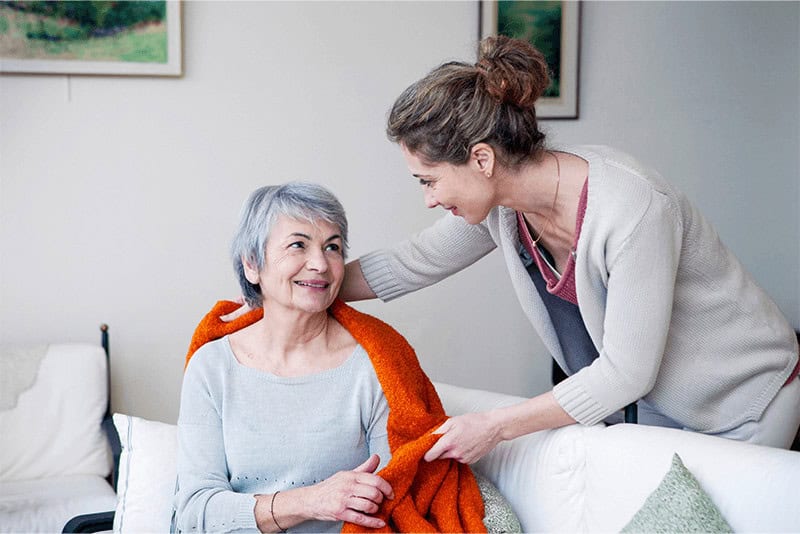
Finding the perfect at-home support should be easy, but with so many options available it can be difficult to determine what kind of care a person needs. People often assume they just need a home health aide, but there is a lot of confusion surrounding this job title and what these workers can do for you. In this blog we’ll explain how these aides can help you or your loved ones, as well as what to do if you need more than the services they provide.
What is a Home Health Aide?
A home health aide, or a personal care aide, supports the elderly, ill, or people with disabilities in their daily lives. This can include a variety of tasks like light housekeeping, administering medication, bathing, and transportation. While these aides are not medical professionals, they are considered health care paraprofessionals, meaning they must meet certain training requirements to work.
According to the Code of Federal Regulations, home health aides must have at least 75 hours of classroom and practical training. Individual states may require more training on top of this federal requirement though. These training programs for personal care aides generally include lessons on communication, observation and reporting patient condition, preventing basic infections, techniques for performing personal hygiene, and more.
Home health aides also collaborate with family members to ensure their patients are receiving the best care. Many patients that need home health aides also need 24/7 care to maintain their daily routine. Personal care aides can “live in” with their patients, but most come to their patients’ for several hours every day and then return home. How long these aides stay during the day and how much information they pass along to their client’s family members is up to you. Home health aides are there above all else to make your or your loved one’s life easier.
How to Know if You Need a Home Health Aide
Deciding when you or a loved one may need at-home care can be overwhelming. There are a few signs you can look out for to help determine if it’s time to hire a home health aide. If you or your family member is struggling with activities of daily living (ADLS) like bathing, dressing, feeding, or toileting, a home health aide could help with all of these tasks. You should also watch out for arising health issues or physical limitations like vision, hearing, or memory impairment. Remember, home health aides cannot provide physical therapy or other medical services to treat these conditions, but they can help you navigate through them.
Home health aides don’t just help with physical needs though, they can also provide companionship to their patients. Sometimes, physical health problems can result from isolation or depression. If you notice that you or your loved one’s behavior is becoming more aggressive or withdrawn, they may need a personal care aide. Home health aides help patients perform routine tasks and monitor their physical and mental health to ensure everything is going smoothly. There are numerous reasons why you or a family member may be considering hiring a home health aide and ultimately the decision will depend on your individual circumstances and what is best for you or your loved one.
Services Home Health Aides Don’t Provide
It’s important to remember that a home health aide is a non-medical aide and can only perform basic medical tasks. However, you or your loved one may decide they need more than what these personal care aides can provide. For example, a medical service aide could help treat chronic medical conditions, provide post-surgery care or care as part of a rehabilitation plan. These full medical service aides could even perform wound care services. Just like with home health aides, there are several different options for medical service aides. You could receive these services through your normal medical provider, hire a professional live-in carer, or search for practitioners who will come to you. Think about you or your family members’ needs and if a home health aide would be able to support them, or if you need to look at other options.
Ensure All Your Needs are Covered with Reneuvia
Maybe you’ve decided a home health aide is exactly what you need right now, but what about later on? There’s always the risk of surgeries and injuries leaving you with chronic wounds that personal care aides aren’t qualified to take care of. But at the same time, you don’t want to completely replace your current aide with a new one who may be trained in medical support.
Reneuvia is here to help with our team of wound care experts. We work with home health agencies, long-term care facilities, and wound clinics to treat patient’s chronic wounds in a way that’s best for them. Refer a patient or enroll yourself and receive at-home care for your chronic wounds today.
Enjoy content from Reneuvia? Make us one of your preferred sources on Google.