
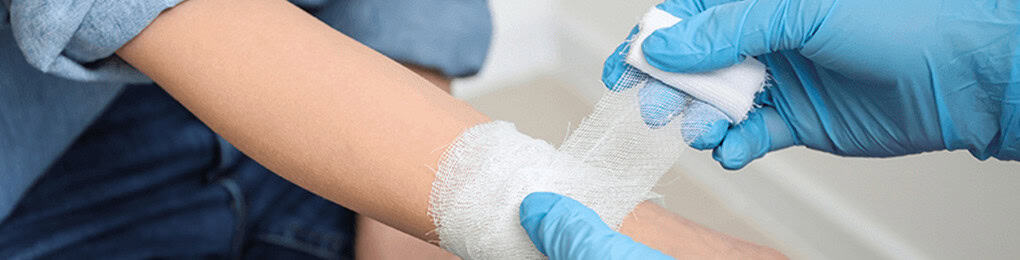
If you are suffering from a chronic wound, you need to see a wound care nurse. Nonhealing wounds can not only be painful, but difficult to treat. First, you need to discover why the injury isn’t getting better and then you can start receiving treatment. But regular antibiotic ointment and bandages won’t cut it. With chronic wounds, you need specialized treatments only a wound care nurse can provide. Continue reading to learn what these wound experts do, where they work, and how they can help you.
What is a Wound Care Nurse?
Healing a chronic wound requires proper assessment and treatment, which means you need to see a wound care nurse. These specialists differ from your typical registered nurses (RNs) as they solely focus on helping patients with acute and nonhealing wounds. To become a wound care nurse, these specialists must go through more education and specialized training to develop the skills to help their patients.
People interested in wound care begin by getting a nursing degree and then passing the National Council Licensure Examination (NCLEX) to become a registered nurse. From there these nurses receive specialized training and a certification in wound care. There are several licenses these nurses can pursue including the Certified Wound Care Nurse (CWCN) and Certified Wound Ostomy Continence Nurse (CWOCN) certifications. These certifications ensure that wound care nurses have the necessary knowledge to assess, treat, and manage various injuries.
Where Do Wound Care Nurses Work?
A chronic wound shouldn’t be ignored, but where should you go to receive the best treatment? No matter what, you need to meet with a wound care nurse to ensure proper healing. Luckily, these specialists work in various locations so you can get the care you need no matter what. First, hospitals employ wound care nurses to help patients after surgery know how to take care of any new injuries. If your chronic wound isn’t a result of surgery, these specialists also work in wound care clinics so you can get the care you need quickly.
Sometimes it is difficult for those suffering from chronic wounds to leave their residency, even to get the care they need. That’s why wound care nurses also work with long-term care facilities and at-home health agencies to provide the proper treatment for everyone who needs it. Even if they aren’t in a medical facility, wound care nurses can still assess an injury, create a plan to heal it, and make accommodations for their patients to receive the care they need.
What Do Wound Care Nurses Do?
Wound care nurses do so much more than just evaluate acute and chronic injuries. After they learn what caused the wound and the patient’s medical history, these specialists can create a recovery plan to meet the patient’s specific needs. Wound care nurses will also perform treatment on a regular basis. This care could include debridement, negative pressure and ultrasound therapy, skin graft application, and cleaning the wound.
The wound expert will also pick and apply the proper dressing that will heal your wound most effectively. Dressings need to be changed on a regular basis to prevent infection. That’s why wound care nurses educate patients and their care team on the signs of infection and steps they can take to keep the wound clean and healing correctly. This is a vital step to the wound healing process as wound care nurses can’t be with patients 24/7, so it’s important they know how to care for their own injuries.
Why Are Wound Care Nurses Important?
Proper wound care is vital to healing complex injuries and improving a patient’s quality of life. These nonhealing injuries aren’t just annoying, they can be painful and even prevent patients from performing everyday tasks. But by working with a wound care nurse, patients ensure their wounds are healing as they should and reduce the risk of infection. This helps keep patients out of hospitals while still ensuring that their health is improving. Wound care nurses are especially important to elderly care as seniors’ poor circulation, lack of mobility, and diabetes and cardiovascular issues can make it easier for wounds to form. This is why long-term care facilities and seniors living at home need a wound care nurse on call to protect patients from worsening conditions.
Start Healing Your Chronic Wounds with Reneuvia
You deserve proper wound care no matter where you are. This means working with a wound care nurse who takes the time to understand your injury and other health conditions to create the best care plan possible. Refer a patient or enroll yourself today to start receiving professional wound care that will improve your quality of life.
Enjoy content from Reneuvia? Make us one of your preferred sources on Google.