
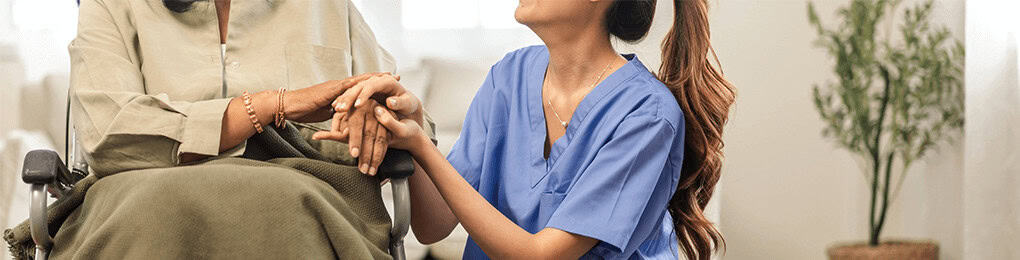
According to the Kaiser Family Foundation, there are nearly 1.2 million Americans in nursing homes. It is vital that every one of these residents receives strong nursing home care, especially if they have a chronic wound. These nonhealing injuries can be very dangerous if they become infected and further harm a resident’s tissue and bones. Adequate nursing home care must include regular and professional chronic wound treatment to keep their residents healthy. Continue reading to learn how chronic wound specialists and nursing home care can work together to treat injuries and improve residents’ quality of life.
Why Chronic Wounds are Common in Nursing Homes
While anyone can get a chronic wound, they are especially common in nursing homes. There are a variety of reasons for this, some of which can be avoided with proper nursing home care. Elderly residents are already more prone to chronic wounds due to lack of mobility, poor circulation, and a higher rate of diabetes. On their own, each of these factors could lead to different types of chronic wounds like pressure, venous, and diabetic ulcers. Together however, these qualities make chronic wounds far more likely.
While you can’t turn back time, there are steps you can take to improve your nursing home care to address nonhealing injuries. Start by repositioning residents who are bedridden or wheelchair-bound every two hours. This will relieve pressure from the same spot and help prevent pressure ulcers. If a resident has poor blood flow in their legs, have them wear compression socks and encourage regular movement to improve circulation. Gentle movement and elevation keep your vessels moving which is vital to blood flow and wound prevention.
How to Identify a Resident’s Chronic Wound
Checking for chronic wounds should be a regular part of your nursing home care plan for all your residents. The sooner you spot a chronic wound, the faster you’ll be able to treat it and heal your resident. Start by performing weekly skin checks. Look out for any redness, swelling, unusual warmth, or fluids. Not every injury will be a chronic one, but if the area doesn’t improve with normal treatment, you need to move on to more specialized methods. These weekly checks will also give wound experts a good idea of how the injury has progressed and the best way to treat it.
Integrating Chronic Wound Treatment into Nursing Home Care
Chronic wound treatment is a vital part of nursing home care and needs to be performed by a wound expert. After assessing the wound and determining its cause, wound care specialists will clean the wound and remove dead tissue through a process called debridement. Depending on the type of chronic wound, the resident may need to receive weekly treatment like negative pressure or ultrasound therapy. Following every treatment, the wound will need to be redressed. The type of dressing used will also depend on the type of chronic wound. Generally speaking, gauze will work for less sever wounds, hydrocolloid dressing can prevent leakage, and skin grafts can be used for extreme cases where the original tissue was lost.
The Importance of Educating Staff and Residents
Your residents need nursing home care 24/7, and this includes taking care of their chronic wounds. Even after a wound expert has cleaned, treated, and bandaged a resident’s chronic wound, there is still work to be done to ensure it heals properly. Nursing home staff should discuss patient care with the wound specialist to understand how often the dressing needs to be changed and how the wound needs to be cleaned between their visits. The patient should be included in this discussion as well so they can keep a watchful eye on their chronic wound and report any signs of worsening or infection.
Clear communication will also help set realistic expectations for how quickly the wound should heal with proper nursing home care. This way nursing home staff, residents, and chronic wound experts can work together to heal the injury as quickly and effectively as possible.
Looking for a Wound Expert to Assist Your Nursing Home Care?
Proper nursing home care isn’t complete without services to treat a chronic wound. However, this doesn’t mean you have to hire an internal wound specialist. If you need a chronic wound expert to visit and treat your residents weekly, then Reneuvia can help. Refer a patient today and see how consistent and professional wound care can greatly improve your residents’ quality of life.
Enjoy content from Reneuvia? Make us one of your preferred sources on Google.